
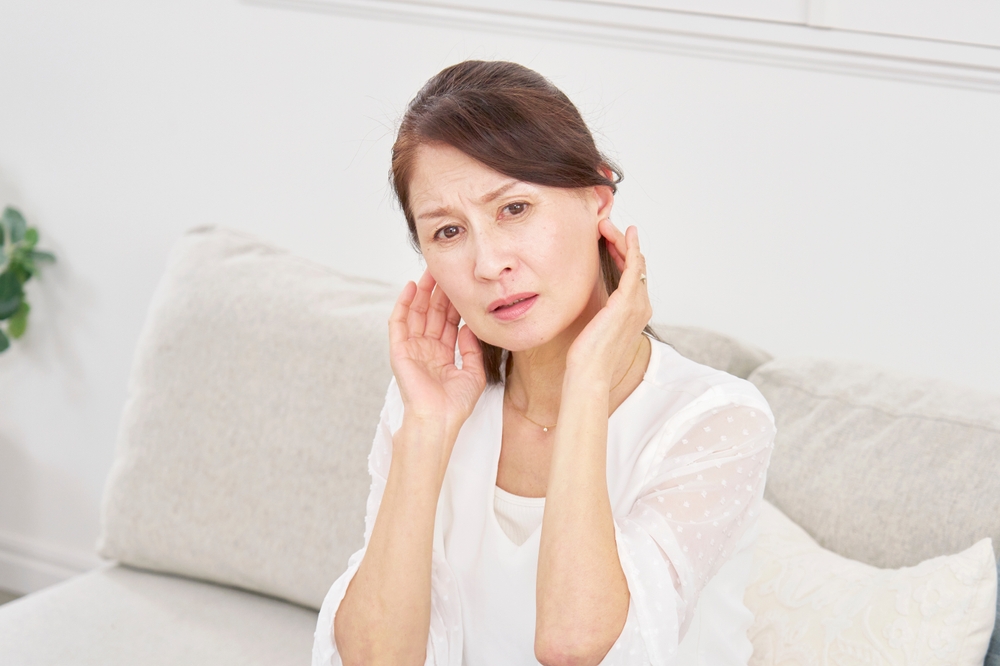
Waking up at the start of the day and realizing you can’t clearly hear is an alarming scenario for anyone. This type of hearing impairment is remarkably rapid, often manifesting without prior warning signs or advanced signals. Although simple blockages are frequent, more critical auditory conditions demand a rapid medical assessment.
Grasping the typical reasons behind sudden deafness and knowing when to seek for help is critical for your long-term health. The following guide explores the mechanics of rapid hearing changes, potential triggers, and the requirement of expert clinical care.
Defining the Parameters of Sudden Hearing Loss
This impairment involves a quick loss of hearing ability that occurs over a few hours or up to three days. While the majority of patients experience this in one ear, it can occasionally manifest in both simultaneously. Individual experiences vary from clouded hearing and tinnitus to a distinct sense of congestion or vocal distortion.
Navigating SSHL: A Medical Priority
SSHL is one of the most critical conditions for an audiologist to investigate quickly.
This type of hearing loss occurs when there’s an issue with the inner ear, auditory nerve, or brain pathways involved in hearing. The origin is frequently idiopathic, though medical professionals identify several likely contributing elements:
- Lowered vascular supply to the delicate inner ear structures
- Systemic inflammatory catalysts or autoimmune reactions
- Underlying viral triggers affecting the ear
- Disruptions in nerve pathways
Because the window for effective treatment is so narrow, SSHL is treated as an urgent crisis where early care dictates the outcome.
Infection-Based Auditory Loss
Particular viral strains can result in permanent or temporary hearing shifts by irritating delicate inner ear tissues.
Viruses associated with abrupt auditory shifts include:
- Common upper respiratory infections
- The seasonal flu virus
- The herpes family strains
- Secondary hearing effects following a COVID-19 infection
Auditory symptoms often appear during the height of an illness or in the early recovery phase, sometimes with vertigo.
Head or Ear Trauma
Direct impact to the skull, rapid shifts in ambient pressure, or severe sound blasts can injure the ear’s internal mechanisms.
Physical damage from injury often stems from:
- Severe head strikes and concussive events
- Sudden shifts in ear canal pressure
- Intense acoustic trauma
- Inner ear fluid disruption
Minor impacts can still compromise auditory function, particularly if shifts manifest immediately following the event.
Sudden Loss Due to Ear Canal Obstruction
Though cerumen buildup is typically benign, a significant blockage can trigger an immediate shift in auditory clarity.
Blockage-induced hearing impairment often:
- Appear over a rapid duration
- Feel like fullness or pressure
- Show a distinct unilateral bias
- Resolve immediately upon professional cleaning
Importantly, you should not assume wax is the cause, as the symptoms of nerve loss often overlap with a simple blockage. Therefore, seeking a professional clinical opinion is the only safe course of action.
Other Possible Causes of Sudden Hearing Loss
Additional contributors to sudden hearing loss may include:
- Secondary reactions to ototoxic medications
- Vascular health issues affecting the ear
- Abnormal immune responses targeting the auditory system
- Acoustic neuromas or related rare tumors
Undergoing a full hearing workup is the only way to accurately identify or dismiss these factors.
The Time-Sensitive Nature of Treating Hearing Loss
The single most critical piece of advice for sudden deafness is to seek care without any delay.
A fast response from an audiologist can help:
- Uncover treatable factors behind the hearing decline
- Increase the likelihood that treatment will recover hearing
- Prevent further hearing damage
- Decrease the likelihood of facing permanent communication issues
Comprehensive audiology diagnostics provide the essential data needed to manage the condition effectively.
When to Seek Immediate Help for Sudden Hearing Loss
You should seek prompt medical or audiology care if you experience:
- Unexpected deafness occurring in one or both ears
- Auditory loss with dizziness or imbalance
- A sudden sensation of ringing or intense ear pressure
- Auditory decline following a viral infection or physical trauma
Though your hearing may seem to recover slightly, a professional check-up is still vital for a full diagnosis.
Hearing Testing for Quick Answers
Audiological diagnostics are designed to rapidly determine if the loss is:
- Conductive (related to blockage or middle ear issues)
- Nerve-based (inner ear or nerve-related)
- A reversible shift or a chronic auditory decline
Early testing supports faster treatment decisions and better outcomes.
Prioritizing Your Auditory Health and Peace of Mind
It is normal to feel panicked by sudden deafness, but immediate professional help offers the best chance for success.
Upon noticing an unexpected change in your hearing, getting a professional evaluation can protect your auditory wellness and your peace of mind. We are standing by to help manage your sudden hearing changes: Reach out to our team today for priority care.