
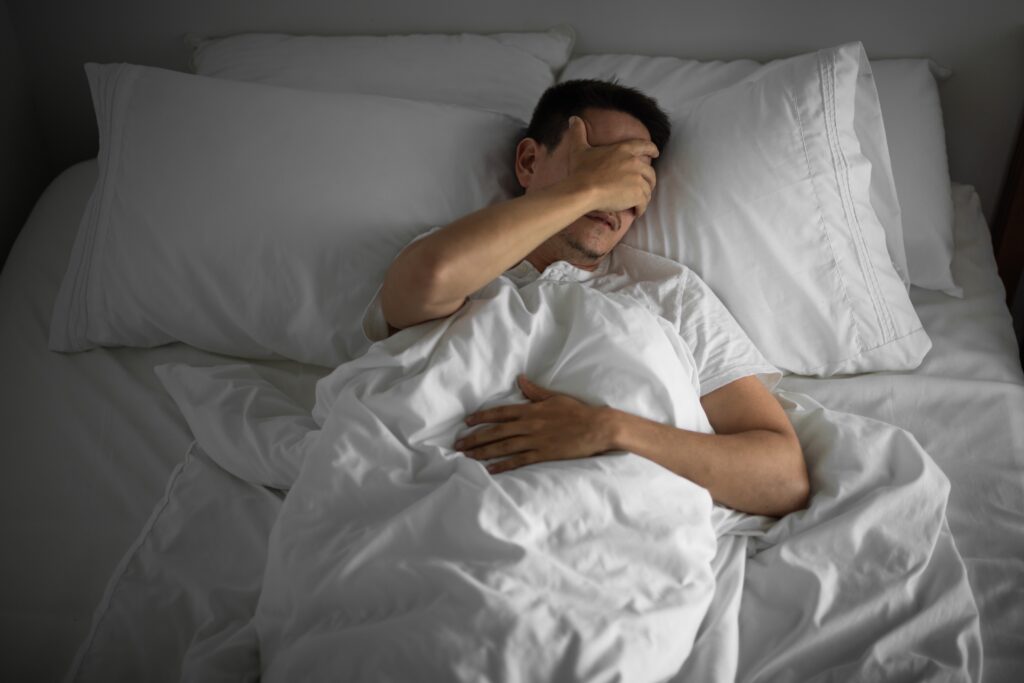
As we adjust to Daylight Saving Time, many people experience changes in their sleep schedule. What most don’t realize is that sleep disruption can affect more than energy levels, it can directly impact hearing health, tinnitus symptoms and listening fatigue.
Research increasingly shows a measurable connection between sleep and hearing loss, as well as sleep and auditory processing performance.
At Ear Works Audiology, our Doctors of Audiology emphasize evidence-based hearing care for patients throughout Nassau County and Suffolk County. Here’s what the science tells us about sleep and hearing health.
How Sleep Affects Hearing and Brain Processing
Hearing is not just an ear function, it is a neurocognitive process. Sleep deprivation impairs attention and executive functioning, both of which are critical for speech understanding in background noise. A review published in Nature Reviews Neuroscience (Krause et al., 2017) demonstrated that sleep loss disrupts neural systems responsible for attention and higher-order cognitive processing. For individuals with hearing loss, who already expend more cognitive resources to understand speech, poor sleep can increase listening effort and reduce clarity, particularly in complex environments such as restaurants or family gatherings.
If you are experiencing increased difficulty understanding speech, it may be time to schedule a comprehensive hearing test at any of our offices throughout Long Island.
Sleep and Tinnitus
There is strong evidence linking sleep and tinnitus severity.
Patients with chronic tinnitus frequently report difficulty falling asleep or staying asleep. Conversely, poor sleep quality is associated with:
- Increased tinnitus loudness perception
- Greater emotional distress
- Reduced coping tolerance
A systematic review published in Sleep Medicine Reviews (2018) found that insomnia and tinnitus-related handicap are closely associated. Since tinnitus perception is influenced by limbic system activation, insufficient sleep may intensify tinnitus symptoms.
Listening Fatigue: Why You Feel Exhausted After Conversations
Many patients describe this experience:
“I can hear, but I’m exhausted by the end of the day.”
This phenomenon, known as listening fatigue, has been well documented in audiology research. Individuals with hearing loss use additional cortical resources to compensate for degraded auditory input.
A framework published in Ear and Hearing describes how increased listening effort contributes to cognitive fatigue, particularly in noisy environments. When sleep is inadequate, cognitive reserve decreases further, amplifying listening strain. Properly fitted hearing aids, optimized programming, and consistent device use can reduce listening effort — but adequate sleep remains essential.
Practical Steps to Support Sleep and Hearing Health
To protect both sleep quality and hearing health:
- Maintain a consistent bedtime and wake time
- Limit late caffeine and screen exposure
- Remove hearing aids before sleep and store them properly
- Seek tinnitus counseling if nighttime symptoms persist
When to Schedule a Hearing Test on Long Island
You should consider scheduling a hearing evaluation if you experience:
- Increased difficulty understanding speech
- Worsening tinnitus
- Greater listening fatigue
- Hearing changes after a sleep apnea diagnosis
At Ear Works Audiology, our Doctors of Audiology provide comprehensive hearing tests in Nassau County and Suffolk County using advanced diagnostic technology and individualized treatment planning.
Sleep and hearing health are more connected than many people realize. If your hearing feels different after changes in sleep — don’t ignore it.
Spring forward into better hearing. Schedule your appointment today.