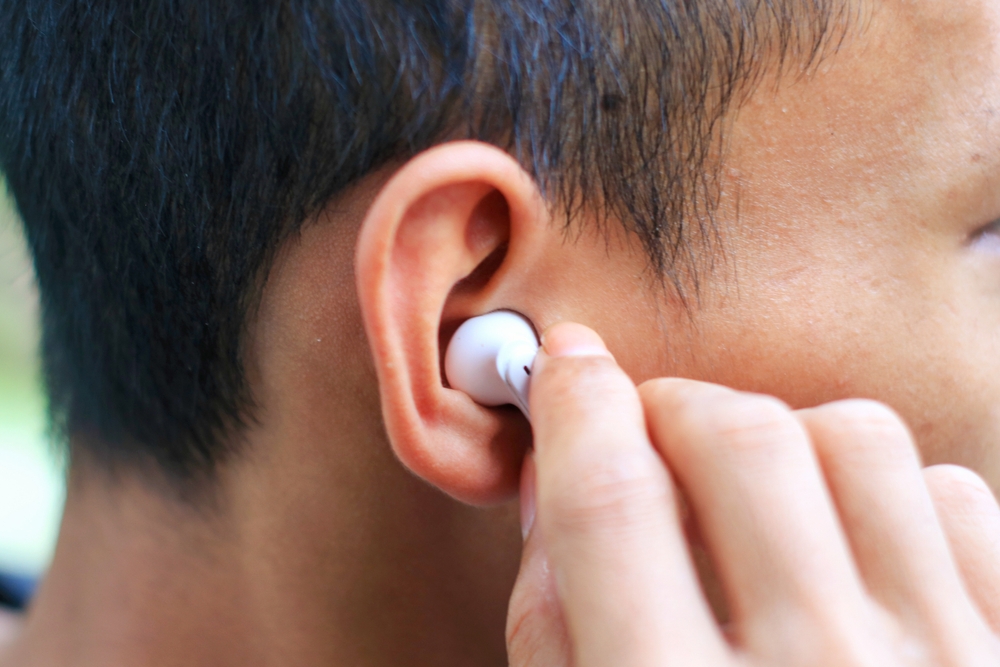
We seldom encounter a teenager or young adult who isn’t currently using a personal audio device. Though over-ear headphones are more bulky, the younger demographic still relies on them for environmental isolation. While acoustic enjoyment is universal across all ages, the youth population often utilizes music as a primary tool for time management. Does the immediate physical closeness of these transducers to our ears result in measurable hearing loss? It’s not the device itself, but how we use it.
When Healthy Listening Becomes Hazardous
The right music can induce a state of relaxation, provide spiritual comfort, or drastically boost energy levels. The outcome is entirely dependent on the genre and frequency of the audio. Using a headphone or an earbud is a polite way to listen without disturbing others. This behavior is socially beneficial, and commuters often report a preference for this shared auditory boundaries on public transit.
The primary clinical concerns center on the precise limits of sound pressure and the length of the listening session. It is well-established that loud noise, regardless of the source, can compromise your long-term hearing sensitivity. If you maintain a high volume for a long period, you risk destroying the hair cells in your inner ear. Since hearing shifts occur incrementally, the window for prevention has often closed by the time a patient seeks help.
Identifying the Critical Risks of Personal Audio
High volume stands as the most significant threat to the preservation of hearing sensitivity. Yet, we must remember that the length of time spent listening is equally important as the decibel level.
- According to the NIH, maintaining a threshold below 70 dB ensures safety, even during extended listening periods.
- There is a direct correlation between increased sound pressure and the speed of hearing degradation.
- Audiologists recommend the 60/60 rule: stay below 60% of max volume and limit sessions to one hour.
- You can safeguard your auditory health by reducing device intensity and monitoring your cumulative daily usage.
Recognizing the Symptoms of Auditory Damage
Experiencing aural fullness, persistent **tinnitus**, or difficulty deciphering dialogue in crowds suggests it is time for a clinical hearing test.
Schedule an appointment with our specialists if you believe your auditory health has been compromised.