
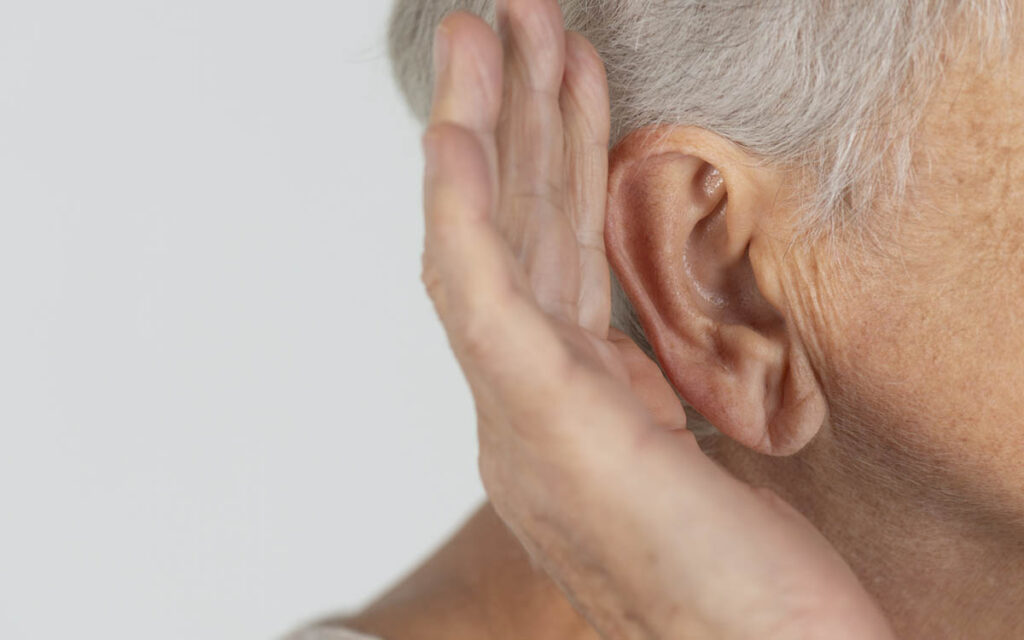
While many individuals correlate hearing loss with getting older, though for a significant portion of the population, auditory trauma initiates much earlier in life. Among the most frequent and preventable categories of auditory damage, noise-induced hearing loss frequently develops incrementally, escaping notice until it becomes a permanent condition.
Understanding how noise exposure impacts your ears over time can help you protect yourself before substantial hearing loss manifests.
Establishing the Clinical Indicators of Acoustic Injury
This form of hearing loss is precipitated by excessive acoustic energy damaging the fragile internal structures of the auditory system. According to the Centers for Disease Control and Prevention, sustained or frequent exposure to sounds exceeding 85 decibels, such as heavy traffic, can initiate auditory damage. Higher intensity sounds, including those generated by machinery, music venues, or firearms, may result in immediate damage.
Within the cochlea are specialized sensory structures referred to as hair cells. These units are responsible for translating sound waves into the electrical signals required for auditory perception. The inability of hair cells to regenerate after trauma explains why noise-induced hearing loss results in a permanent auditory deficit.
The Cumulative Development of Acoustic Injury
A primary clinical concern regarding noise-induced hearing loss is its typically slow rate of progression. Initial clinical indicators of sound-induced trauma may involve:
- Temporary ringing or buzzing in the ears (Tinnitus)
- A feeling of muffled hearing after loud events
- Reduced ability to distinguish vocal communication in loud surroundings
While these preliminary indicators may dissipate, this should not be mistaken for complete physiological recovery. In reality, repeated noise exposure continues to injure inner-ear structures, incrementally diminishing auditory acuity and threshold sensitivity.
Statistics from the HLAA suggest that 48 million Americans have some form of hearing loss, often without realizing the cause.
Everyday Acoustic Sources Contributing to Clinical Ear Trauma
In our modern environment, individuals often develop a tolerance or desensitization to high-volume sounds. For this reason, many people are surprised to learn how common harmful noise exposure is.
Identified hazardous sources may include:
- Live music venues and concerts
- The use of headphones at unsafe volume settings
- Motorized landscaping equipment, power machinery, and vehicles
- Workplace noise in construction, manufacturing, or warehouses
Due to the routine nature of these sounds, auditory injury may accrue in the absence of overt symptoms.
The Reason Preventive Efforts Are So Important
Unlike other health conditions, noise-induced hearing loss cannot be reversed. However, it is highly preventable. The implementation of basic protective protocols can substantially mitigate risk, such as:
- Employing earplugs or specialized earmuffs during high-decibel exposure
- Modulating audio output levels and observing 60/60 rule constraints
- Scheduled breaks from noise to facilitate ear recovery time
- Maintaining regular clinical screenings and Audiology visits
Indicators to Seek Clinical Hearing Care
Patients observing ongoing Tinnitus, challenges in conversation, or shifts in auditory acuity should contact an Audiologist. Early assessment is critical for monitoring, education, and the development of protective strategies to help preserve your hearing.
Protecting your ears today helps ensure clearer hearing tomorrow. While environmental noise is often inevitable, hearing loss is a preventable outcome. Please contact our clinic to arrange a professional consultation regarding your auditory health.