Falls are one of the leading causes of injury, hospitalization, and loss of independence among older adults. Each year, millions of Americans experience a fall, often resulting in fractures, head injuries, or long-term mobility challenges. While fall-prevention efforts typically focus on vision changes, muscle strength, and medication management, research increasingly shows that untreated hearing loss is a significant—and often overlooked—risk factor for falls.
Large population studies consistently demonstrate that adults with hearing loss experience more falls than those with normal hearing. A major systematic review and meta-analysis published in JAMA Otolaryngology–Head & Neck Surgery, which evaluated data from more than five million participants, found that individuals with hearing loss had approximately 51% greater odds of falling and a significantly higher long-term fall risk compared to those without hearing loss (Yeo et al., 2025). Importantly, these findings remained even after adjusting for age and other medical conditions.
What becomes especially relevant for patients is the growing distinction between untreated hearing loss and hearing loss that is properly treated with hearing aids. Several studies suggest that untreated hearing loss carries a higher fall risk, while treatment may reduce that risk. In a large inpatient study involving more than 50,000 adults, patients with hearing loss who did not use hearing aids were significantly more likely to experience a fall during hospitalization. In contrast, patients with hearing loss who used hearing aids did not show the same elevated fall risk (Tiase et al., 2020).
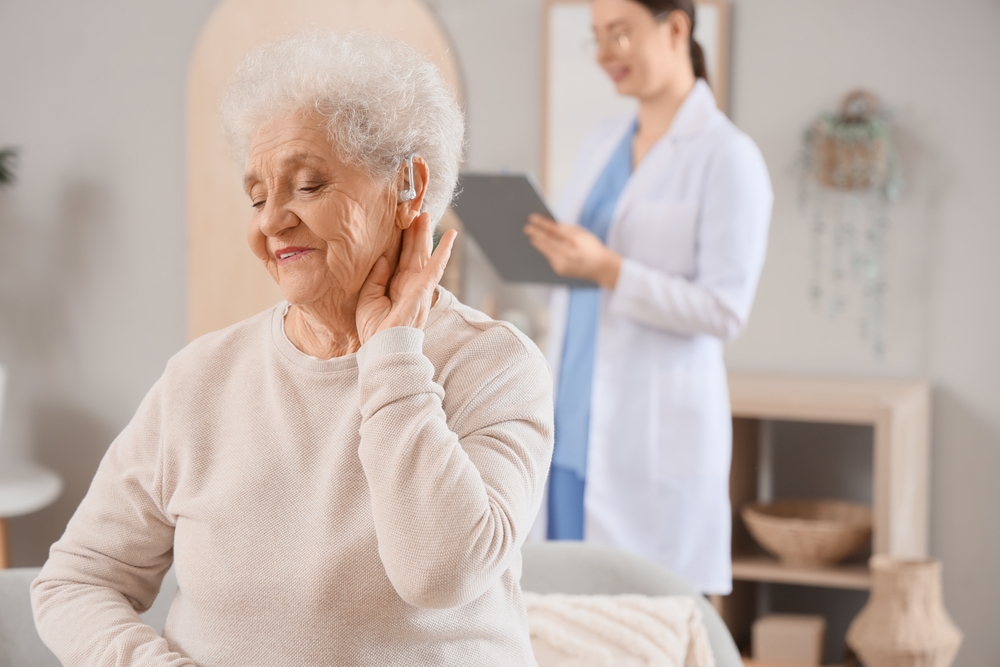
Community-based research supports these findings. A study of adults aged 60 and older found that consistent hearing aid use was associated with nearly a 50% reduction in the odds of falling, with the greatest benefit observed among individuals who wore their hearing aids for several hours per day (Campos et al., 2023). While these studies do not prove that hearing aids directly prevent falls, the pattern across multiple datasets is consistent: untreated hearing loss is associated with greater fall risk, while treated hearing loss is associated with lower risk.
Researchers believe several mechanisms may explain this connection. Hearing plays a critical role in environmental awareness, helping individuals detect approaching people, changes in surroundings, and warning cues. Untreated hearing loss can reduce this awareness. Additionally, hearing loss increases cognitive load, meaning the brain must work harder to process sound, which may reduce the attention available for balance and walking. Finally, the hearing and balance systems are closely linked within the inner ear, and untreated auditory decline may coexist with subtle vestibular changes that affect stability over time.
From a clinical and public health perspective, these findings reinforce the importance of addressing hearing health as part of overall wellness and fall prevention. National survey data, including analyses from the National Health Interview Survey, have shown that self-reported hearing difficulty is associated with increased odds of falls and fall-related injuries among older adults (Kamil et al., 2016).
For patients and families, the takeaway is clear: ignoring hearing loss may increase the risk of falls, while treating hearing loss may help support safer mobility, confidence, and independence. If you or a loved one has noticed hearing difficulties—or has experienced a fall or balance concerns—a comprehensive hearing evaluation is an important first step.
At Ear Works Audiology, our doctors of audiology provide thorough hearing assessments and personalized treatment plans designed to support not only better hearing, but overall safety and quality of life. With 11 convenient locations across Nassau and Suffolk Counties, expert hearing care is always close to home.
Schedule a hearing evaluation today and take a proactive step toward protecting your hearing, your balance, and your independence.
References
- Yeo, B. S. Y., et al. (2025). Hearing loss and falls: A systematic review and meta-analysis. JAMA Otolaryngology–Head & Neck Surgery.
- Tiase, V. L., et al. (2020). Impact of hearing loss on patient falls in the inpatient setting. Journal of the American Geriatrics Society.
- Campos, P., et al. (2023). Consistent hearing aid use is associated with lower fall prevalence in older adults with hearing loss. Journal of the American Geriatrics Society.
- Kamil, R. J., et al. (2016). Association of hearing impairment with incident frailty and falls. Journal of Aging and Health.