
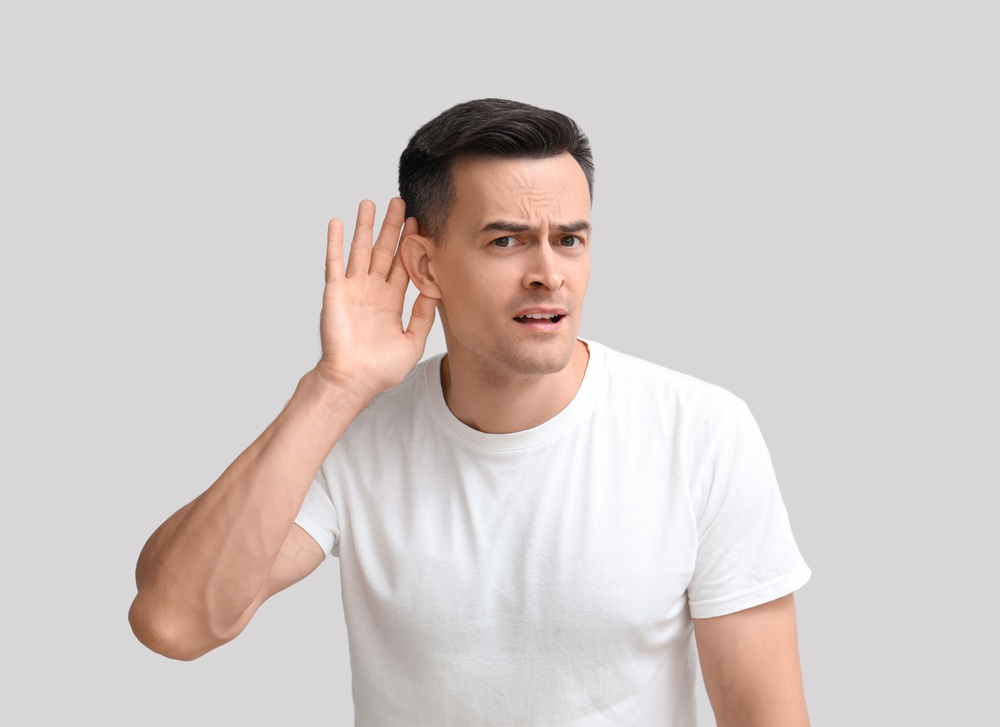
Do you often experience profound mental depletion following extended dialogue or crowded social events?
You may assume you’re just tired, stressed, or overwhelmed. And it’s true that for introverts or people with sensory issues, social situations can be exhausting. However, in many clinical scenarios, the underlying driver is a neurological phenomenon known as auditory fatigue.
This condition manifests when the brain’s auditory cortex is forced into an overactive state to interpret sound. The brain’s attempt to reconstruct incomplete audio data requires an immense amount of “processing power” and neural energy. Accumulated listening strain eventually manifests as the profound exhaustion associated with auditory fatigue.
Most individuals fail to distinguish between localized auditory fatigue and general fatigue. This type of burnout often points toward a functional decline in the auditory system. A professional diagnostic evaluation is necessary to confirm if hearing loss is the root cause of your exhaustion. If you notice this pattern happening regularly, talk to your provider about determining whether hearing loss is contributing to your symptoms.
The Physiological Triggers of Auditory Fatigue
Multiple variables contribute to heightened cognitive demand during sound processing, elevating the risk of auditory fatigue.
Why Untreated Hearing Impairment Causes Fatigue
Failing to address hearing loss is a major factor in the development of persistent auditory fatigue.
The inability to capture high-frequency sounds forces the brain to work double-time to interpret the message. Relying on context rather than clarity places an unsustainable burden on the brain during everyday conversations.
Noisy Environments
Locations with poor acoustics often act as a tipping point for auditory fatigue. Environments with significant background chatter make it difficult for the brain to isolate and prioritize relevant audio signals.
Processing concurrent audio streams requires the brain to perform intense “auditory scene analysis” to find the primary speaker. The resulting cognitive overload is particularly severe for those managing even marginal degrees of hearing loss.
How Internal Noise Increases Listening Effort
Tinnitus—the perception of internal ringing—exacerbates fatigue by increasing the sheer volume of data the brain must process.
Sound distortion caused by hearing loss can further increase strain, forcing the brain to work even harder to understand speech.
Common Signs of Auditory Fatigue
Auditory fatigue can affect both mental focus and overall energy levels. Frequently observed symptoms include:
- Feeling mentally drained after conversations
- Struggles with cognitive focus during collaborative sessions
- Onset of tension headaches following sustained auditory focus
- Feeling “on edge” or frustrated when trying to follow a conversation
- Social retreat to avoid the stress of auditory processing
- Compulsive need for rest after navigating a noisy environment
Frequent presentation of these symptoms is a clear sign of neurological auditory over-exertion.
Why Hearing Loss Makes Your Brain Work Harder
When hearing is clear, the brain can process speech almost effortlessly. However, when hearing loss is present, the brain must allocate more cognitive resources to decode sounds.
This state of over-exertion is technically referred to as an elevated cognitive load. The brain is forced to sacrifice higher-level thinking to manage the low-level task of hearing sound. The long-term effect of this cognitive shift is the profound “emptiness” felt after socializing. Standard dialogue, which should be easy, becomes a high-intensity cognitive task.
Using Clinical Evaluations to Uncover Auditory Strain
Should listening effort compromise your quality of life, a clinical hearing test is the essential diagnostic tool. A full audiological exam involves testing your threshold for various frequencies and your word-recognition score. Specialized “speech-in-noise” testing is often used to uncover deficits that are invisible during standard quiet-room exams.
A comprehensive hearing test can determine whether hearing loss is contributing to your fatigue and help guide the next steps for treatment. Timely audiological care is the most effective way to halt the progression of auditory fatigue.
How Hearing Treatment Reduces Listening Effort
Clinical intervention is proven to drastically reduce the mental burden of communication.
High-tech hearing aids do the “heavy lifting” for the brain by isolating and clarifying voices in real-time. By delivering a clean signal, these devices eliminate the need for the brain to expend energy on reconstruction.
As the cognitive burden of hearing is lifted, patients typically report gains in:
- A feeling of being more “awake” and present throughout the day
- Ability to follow complex dialogue without drifting off
- Comfort in social settings
Lowering the cognitive cost of communication allows social life to feel effortless once more.
Is it Time for a Professional Hearing Check?
A professional screening is recommended if you identify with these patterns:
- Dialogue leaves you feeling cognitively spent
- You are increasingly told that you are missing parts of the conversation
- You find yourself “guessing” at words in loud settings
- You avoid social situations because listening feels difficult
Resolving these issues today ensures a higher standard of living and better cognitive health for the future.
Frequently Asked Questions: Auditory Fatigue
Are Fatigue and Loss Identical?
There is a difference: the fatigue is the neurological byproduct of the effort to hear. However, hearing loss is one of the most common causes of auditory fatigue.
Will Hearing Devices Fix My Burnout?
Absolutely; by cleaning up the acoustic signal, modern devices take the processing load off the brain.
Is auditory fatigue permanent?
Typically, this fatigue is transient and resolves once the auditory system is supported by clinical care.
Say Goodbye to Post-Conversation Burnout
Daily dialogue should not be a source of profound cognitive depletion. Feeling “wiped” after a party is a signal that your brain is struggling to manage its cognitive load.
Take the first step toward social ease by reaching out for a professional evaluation. Empowerment, confidence, and peace of mind start with understanding what’s happening with your hearing.