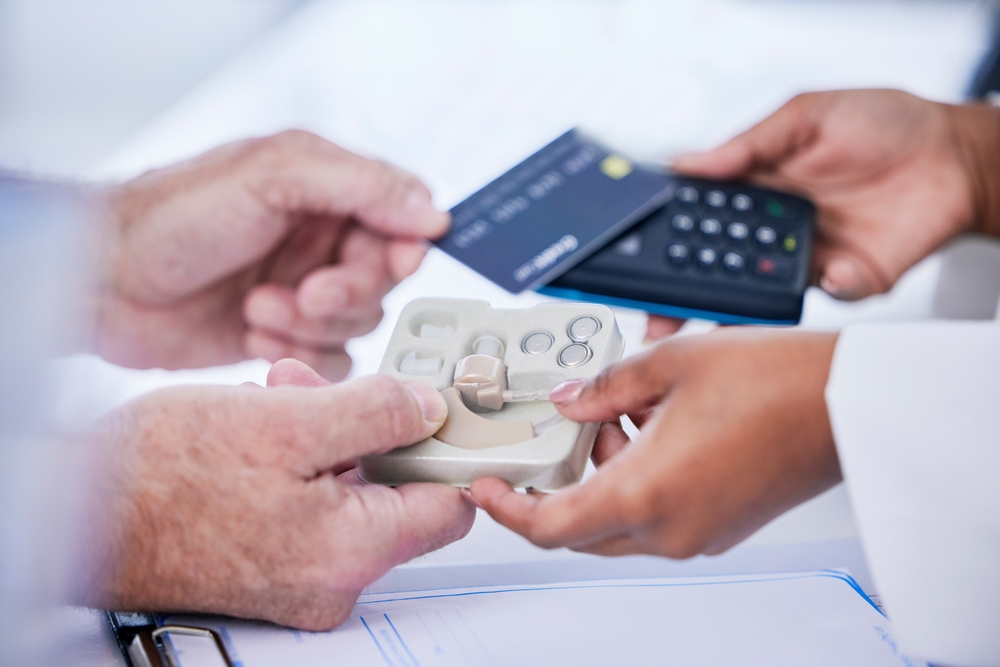
Patients researching therapeutic sound amplification often find that the initial acquisition expense stands out immediately. The total investment fluctuates significantly based on the specific acoustic gain features and the level of personalized audiology care included. Such a capital requirement often surprises families, leading them to prematurely halt their pursuit of better auditory health.
The cost is real, but it’s not the whole story. Many don’t realize that the sticker price is rarely what you actually end up paying. By leveraging private insurance benefits, tax-advantaged health funds, and structural payment programs, the net cost can be minimized.
We provide this breakdown of available funding avenues to empower your decision-making before your consultation, optimizing your path to enhanced sound localization.
Maximizing Private and Employer Insurance Benefits for Acoustic Devices
Before expecting to finance the entire purchase independently, verify your existing medical coverage parameters.
If you have private or employer-sponsored insurance, coverage for hearing aids can vary widely. Selected guidelines cover a predefined percentage of the hardware, while others issue a flat-rate allowance. Regrettably, specific commercial contracts provide no financial remedy for hearing preservation. To clarify your position, review your summary of benefits or contact the carrier regarding otolaryngological provisions. Inquire specifically about monetary caps, whether real-ear measurements and fittings are covered, and your preferred provider network status.
If you’re on Medicare, it’s important to know that Original Medicare (Parts A and B) does not cover hearing aids. However, many Medicare Advantage (Part C) plans do include hearing benefits, usually as a set yearly allowance.
For those on Medicaid, coverage depends on where you live. Certain jurisdictions offer full or partial device funding for qualified applicants, which your clinic can help verify.
Leveraging Pre-Tax HSA and FSA Vehicles for Audiological Purchases
Individuals contributing to an HSA or FSA possess a specialized tax-mitigation tool perfectly suited for audiological procurement.
Because the IRS classifies hearing aids as a qualified medical expense, you can deploy pre-tax assets for their purchase. Utilizing this financial pathway yields substantial savings that alter the economic equation. To illustrate, a patient in the 22% federal tax tier purchasing a $2,000 system reduces their real economic impact to approximately $1,560. While HSA vehicles allow long-term capital accumulation, standard corporate FSAs enforce a rigid use-it-or-lose-it clause each calendar cycle. This structural timeline makes it imperative to exhaust expiring corporate flex funds before the termination date! Both custom-programmed medical devices and eligible over-the-counter options are valid selections, making a baseline balance check highly prudent.
Amortization and Medical Financing Strategies for Advanced Hearing Systems
To avoid a single large capital outflow, medical practices frequently offer specialized patient installment plans. These specific arrangements, often administered via platforms such as CareCredit, frequently feature promotional interest-free windows. This financial flexibility ensures you do not have to settle for degraded acoustic processing simply due to temporary cash flow constraints.
Addressing installment options is a commonplace component of the overall treatment plan development. Patients experiencing financial hesitation should openly review these parameters during their diagnostic evaluation. Remember, there’s a reason all these options exist! Ultimately, accessing essential medical technology to preserve communication should remain accessible without risking economic duress.
Navigating Veterans Administration (VA) Otology and Hearing Aid Benefits
With hearing deficits ranking as a primary consequence of military service, the VA delivers comprehensive support mechanisms for veterans.
Qualified service members are frequently entitled to premium, custom-fitted hearing systems at zero cost via VA medical channels. Even if your documentation lacks an explicit acoustic connection, your broader VA medical tier might authorize these devices. For those who have yet to leverage their military benefits, initiating a query with your regional VA medical center is strongly advised.
Charitable and Community Programs May Cut Hearing Aid Costs
Nonprofit and community-based programs can help make hearing aids more affordable. Organizations like the Starkey Hearing Foundation and Lions Club International offer assistance to qualifying individuals. Various regional government offices maintain independent funds to supply assistive devices to citizens meeting specific income criteria.
Although these civic grants frequently carry rigid income thresholds and waiting intervals, they are highly valuable when commercial insurance fails. You can check online with most of these organizations to see if you qualify, or at least get the conversation started.
OTC Hearing Hardware: A Technical Assessment of Lower-Cost Auditory Options
The OTC retail segment offers a highly economical alternative, with average pair pricing falling between several hundred and one thousand dollars. Such devices are clinically appropriate for mild or early-stage moderate presbycusis in self-directed adult users.
However, without a professional fitting, many people don’t get the results they’re hoping for. When managing confirmed moderate or severe auditory degradation, custom prescription systems configured by an audiologist provide superior long-term outcomes.
Before selecting an unprescribed consumer device to save capital, obtaining a clinical hearing assessment ensures diagnostic accuracy. OTC hearing aids are usually a good option for someone waiting for their fitted hearing aid or for a response on whether they qualify for certain programs or benefits. They provide immediate, basic acoustic access that outperforms unamplified conditions, though they lack long-term clinical viability.
Developing Your Customized Financial Strategy for Better Hearing
We help our patients navigate hearing aid costs every day. The available matrix of alternative funding mechanisms is frequently broader than patients anticipate.
By providing your current insurance documentation at check-in, our specialists can cross-reference your network benefits and construct a tailored payment solution. Reach out to our administrative staff now to reserve your diagnostic evaluation and begin your hearing assessment. We look forward to delivering the accurate answers and balanced payment options necessary to restore your connection to the world.