
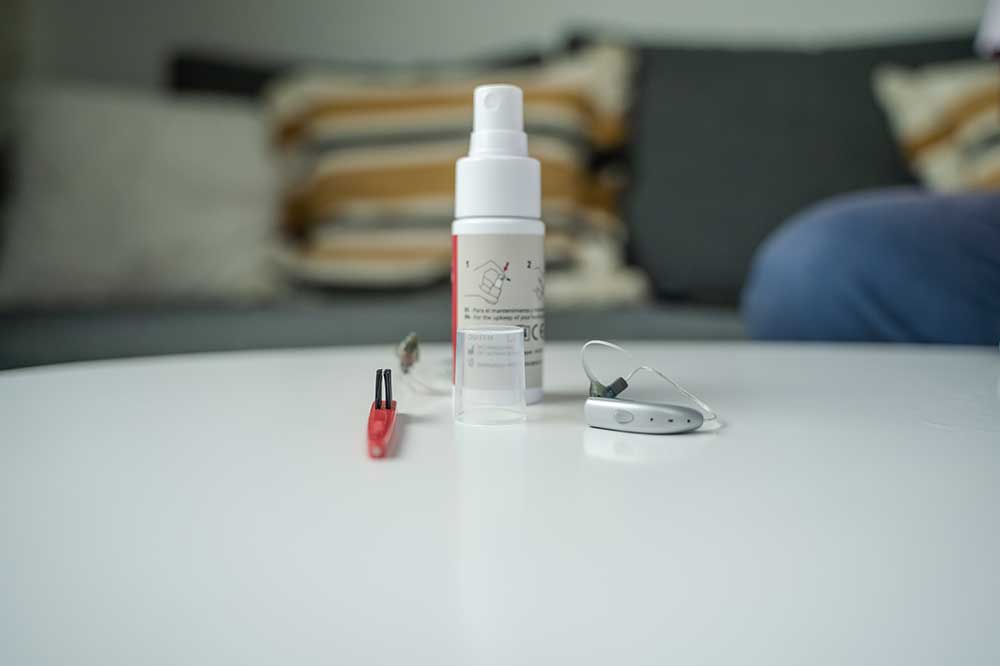
Earwax and moisture are two of the most common reasons hearing aids start to sound weak or muffled, and both are easier to manage with a steady routine. Using the right tools and methods for daily and weekly hearing aid cleaning helps maintain comfortable listening and remove buildup without making the problem worse.
With offices from Garden City and Bethpage to Port Jefferson Station and Wading River, Ear Works Audiology makes hands-on help easy to find. Our team of doctoral-level audiologists can demonstrate how to care for your specific devices and explain when they need professional cleaning or maintenance.
How Often Should Long Island Patients Be Cleaning Hearing Aids?
Long Island patients should be cleaning hearing aids with a gentle wipe every day and a closer inspection about once a week. Daily care removes surface residue before it builds up around the microphone openings, earpiece, and sound outlet. Choose a consistent time, such as after taking them out at night.
Follow your model’s instructions for the weekly inspection. You may need more frequent attention if you produce a lot of earwax, perspire heavily, or spend time in humid conditions.
Wax filters, domes, and tubing have their own replacement schedules. Check them regularly and replace them as needed or as directed, rather than relying on a single universal calendar.
Professional cleaning should supplement home care. Ask your audiologist how often to return based on your devices, wax buildup, and previous maintenance needs.
Does a Behind-the-Ear Model Need Different Care Than a Custom One?
A behind-the-ear model does need different care than a custom in-the-ear model, because the tubing, speaker, and openings sit in different places. Traditional behind-the-ear hearing aids may send sound through hollow plastic tubing to a separate earmold. Some earmolds without electronics can be detached and washed if the manufacturer permits it. Keep the electronic hearing aid body out of water.
Receiver-in-canal hearing aids have a speaker inside the earpiece, connected to the behind-the-ear body by a thin wire. Wipe these components carefully and follow the specific instructions for dome and wax-filter care.
In-the-ear, in-the-canal, and completely-in-canal devices sit partly or entirely inside the ear. Their surfaces, vents, and sound outlets are exposed to wax and skin oils. Small openings require gentle handling and the appropriate cleaning tools.
If you are unsure whether an earpiece contains electronics, ask before detaching or washing it. Similar-looking parts can require different care, and your model’s instructions should guide the process.
What Goes Into a Simple Daily Hearing Aid Cleaning?
A simple daily hearing aid cleaning means turning the device off, wiping and inspecting it, brushing the microphone openings, and finishing with the right drying, storage, or charging step. Wash and dry your hands first, then work over a clean towel on a stable surface. Handle one hearing aid at a time so you can keep track of its parts. Follow these steps:
- Turn the device off using its normal controls.
- Wipe the casing and earpiece with a soft, dry cloth.
- Inspect the dome, earmold, and sound outlet for visible buildup.
- Gently brush across microphone openings, directing debris downward.
- Check charging contacts or accessible battery areas as instructed.
- Follow the recommended drying, storage, or charging routine.
Wax may be easier to brush away after drying overnight. You can complete that step the next morning if needed.
For disposable-battery models, instructions may include opening the battery compartment overnight. Rechargeable aids follow a different routine; do not try to open a sealed battery compartment.
Before wearing the aids again, check that removable earpieces are securely attached and the devices are dry.
What Should You Inspect During Weekly Hearing Aid Maintenance?
During weekly hearing aid maintenance, inspect for persistent wax, blocked filters, worn domes, and stiff, cracked, or discolored tubing. This check covers areas that need more attention than a quick wipe. Damaged parts may need replacement rather than additional cleaning.
Change a wax filter when required, using the exact type specified for your device. Don’t assume every filter needs weekly replacement. Use a vent cleaner or wax loop only in the locations your audiologist has demonstrated.
If washing a detachable earmold is permitted, disconnect it as instructed, use the approved washing method, and let it and any washable tubing dry completely before reconnecting.
Inspect your charger and remove dust or residue according to its instructions. If buildup remains difficult to remove or sound stays weak, arrange professional service. Our hearing aid repair visits include deep cleanings and wax removal, and many simple fixes can be handled in the office.
Which Cleaning Products and Habits Can Damage a Hearing Aid?
The cleaning products and habits that can damage a hearing aid include soaking it in water, unapproved chemicals, improvised tools, and excessive heat. Do not immerse the electronic hearing aid or a speaker-containing earpiece in water. A water-resistance rating does not automatically mean the device can be washed.
Avoid household detergents, rubbing alcohol, peroxide, and other chemicals unless your manufacturer explicitly approves a particular product and method. Even a cleaner marketed for hearing aids may not suit every component. Never spray cleaner directly into openings.
Do not insert needles, pins, or improvised tools into microphone ports or sound outlets. Pushing harder can drive wax inward or damage the parts you are trying to clean.
Keep hearing aids away from hair dryers, microwaves, and other excessive heat sources. Never dismantle the casing for a deeper clean. If a part will not detach easily or you are unsure what it is, stop and ask for guidance.
Ask Ear Works Audiology to Show You Your Hearing Aid Care Steps
A personalized demonstration can make hearing aid care far easier to manage. During an appointment, one of our audiologists can review your devices, hearing concerns, health history, and goals for comfortable daily use, then demonstrate the cleaning steps your model needs.
Call our Nassau County line at 516-248-0068 or our Suffolk County line at 631-332-3274, find the office nearest you, or contact Ear Works Audiology to schedule a hearing aid care appointment.